
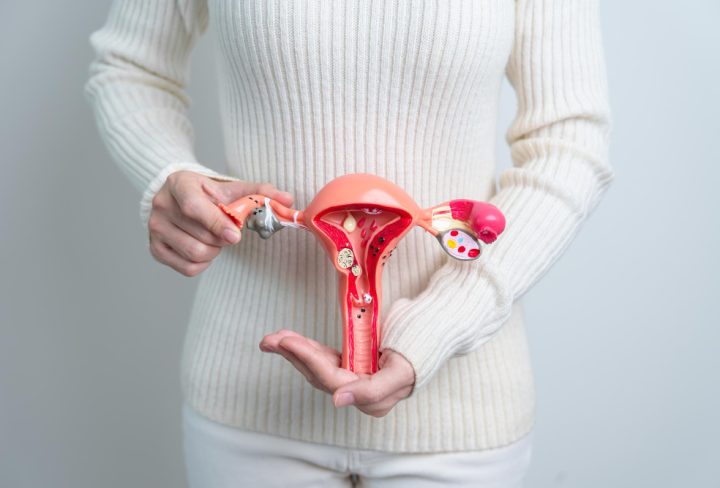
What Are Uterine Fibroids?
Uterine fibroids are non-cancerous growths that form in or on the uterus. Many women have them at some point. Often, they do not cause symptoms. However, some women may feel pain, heavy periods, or pressure in the belly. Because uterine fibroids are common, many people want to know if they can be prevented. Understanding what causes fibroids is the first step.
Causes and Risk Factors of Uterine Fibroids
Doctors do not know the exact cause of uterine fibroids. Still, several factors can raise your risk. For example, hormones like estrogen and progesterone help fibroids grow. In addition, your family history matters. If your mother or sister had fibroids, you may be more likely to get them too. Other risk factors include:
Although these factors can increase your risk, having one or more does not mean you will get fibroids. Still, knowing your risk can help you make healthy choices.
Can Uterine Fibroids Be Prevented?
Currently, there is no sure way to prevent uterine fibroids. However, some steps may help lower your risk. Because fibroids are linked to hormones and lifestyle, healthy habits can make a difference. While you cannot change your age or family history, you can focus on things you control. For example, keeping a healthy weight and eating well may help. According to the Centers for Disease Control and Prevention (CDC), a balanced lifestyle supports overall women’s health.
Lifestyle Tips to Lower Your Risk
Even though you cannot guarantee uterine fibroids prevention, you can try to reduce your risk of fibroids. Here are some simple tips:
In some areas, access to healthy foods or healthcare may be limited. If you live in such a place, try to make small changes where possible. Every healthy step counts.
When to See a Doctor
Sometimes, fibroids do not cause any problems. But, you should see a doctor if you notice:
Early care can help manage symptoms and prevent complications. Therefore, do not wait if you have concerns.
Conclusion and Call-to-Action
In summary, uterine fibroids are common and can affect many women. While you cannot always prevent them, healthy habits may help reduce your risk. If you have symptoms or concerns, do not hesitate to seek help. Consult a gynecologist for personalized advice on uterine fibroids prevention.