
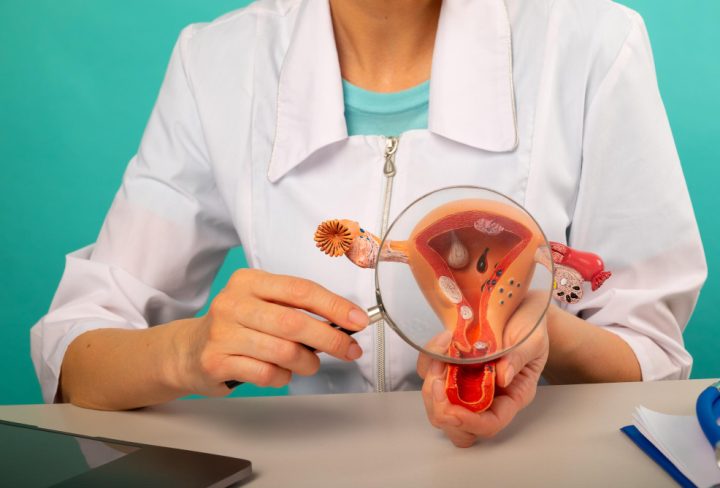
What Is Vaginal Prolapse?
Vaginal prolapse happens when the muscles and tissues supporting a woman’s pelvic organs become weak or stretched. As a result, the organs, such as the bladder or uterus, can drop or press into the vagina. This condition is also called pelvic organ prolapse in women. While it may sound scary, it is a common health issue, especially as women age. According to the World Health Organization, millions of women worldwide experience some form of vaginal prolapse.
Common Causes of Vaginal Prolapse
Many factors can lead to vaginal prolapse. Often, these causes weaken the muscles and tissues in the pelvic area. For example, pregnancy and childbirth put extra pressure on these muscles. However, other reasons can also play a role.
Because these causes often build up over time, many women do not notice symptoms right away.
Recognizing the Symptoms
It is important to know the signs of vaginal prolapse. Early detection can help you find the right treatment for vaginal prolapse. Not all women have the same symptoms. Still, some signs are more common than others.
Sometimes, symptoms get worse after standing for a long time or lifting heavy objects. If you notice these signs, it is wise to talk with a healthcare provider.
How Vaginal Prolapse Is Diagnosed
Doctors use several steps to diagnose pelvic organ prolapse in women. First, they will ask about your symptoms and medical history. Next, a gentle pelvic exam helps them check for any bulges or changes in the vaginal area. Sometimes, doctors may use special tools or tests, such as an ultrasound, to see the pelvic organs more clearly. In some cases, you may be referred to a specialist for further testing. Early diagnosis can help you get the best treatment for vaginal prolapse.
Treatment Options for Vaginal Prolapse
Treatment for vaginal prolapse depends on how severe the problem is and your overall health. For many women, simple changes or exercises can help. However, others may need more advanced care. Here are some common treatment options:
Because every woman is different, your doctor will help you choose the best treatment. In many cities, including your local area, you can find specialists who offer vaginal prolapse treatment options.
Lifestyle Tips and Prevention
While not all cases can be prevented, some steps may lower your risk of developing vaginal prolapse. For example, keeping your pelvic muscles strong is very helpful. Here are some tips for preventing vaginal prolapse:
Because early action makes a difference, staying aware of your body and talking to your healthcare provider can help you protect your pelvic health.